
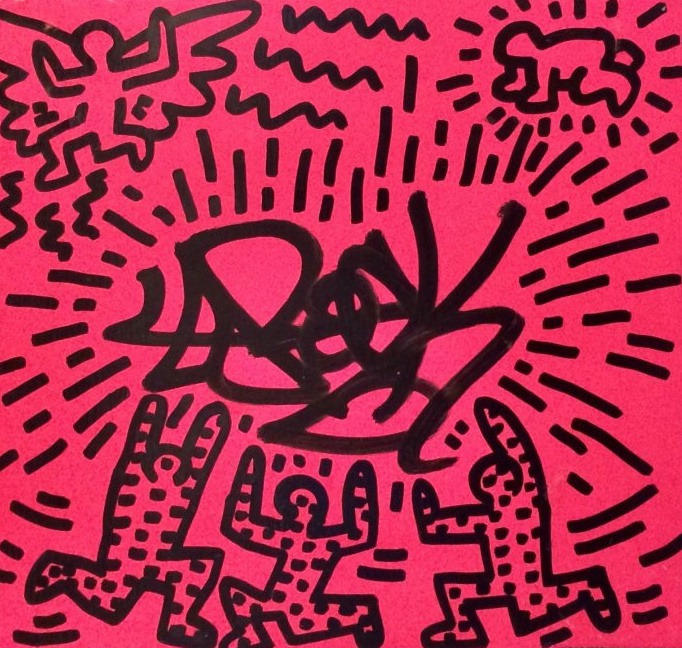
Keith Haring
American · 1958
Keith Haring turned the visual language of the New York City subway into one of the most recognizable styles of the twentieth century — the radiant baby, the barking dog and dancing figures rendered in bold, energetic line. Emerging from the same early-1980s downtown scene as Basquiat, Haring fused Pop accessibility with pointed activism around AIDS awareness, apartheid and social justice. His Pop Shop democratized his imagery, and today his paintings, drawings and prints are among the most sought-after of the era, with a broad, liquid secondary market spanning entry-level editions to major canvases. Rosenfeld Gallery regularly sources and places secondary-market works by Keith Haring across paintings, works on paper and prints. Contact us to discuss acquiring a Haring or selling one privately, with confidential advice on value and provenance.
Selected Works
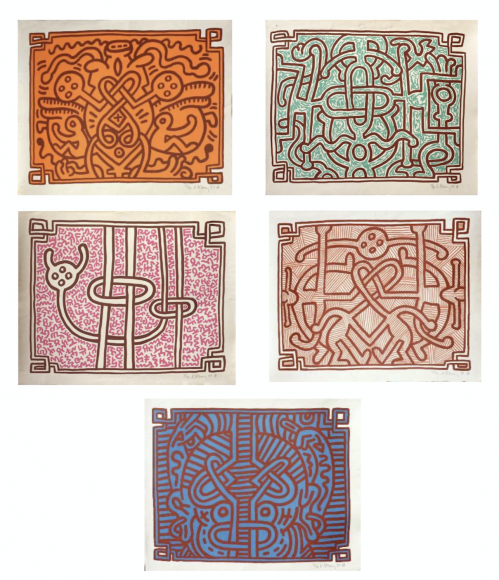
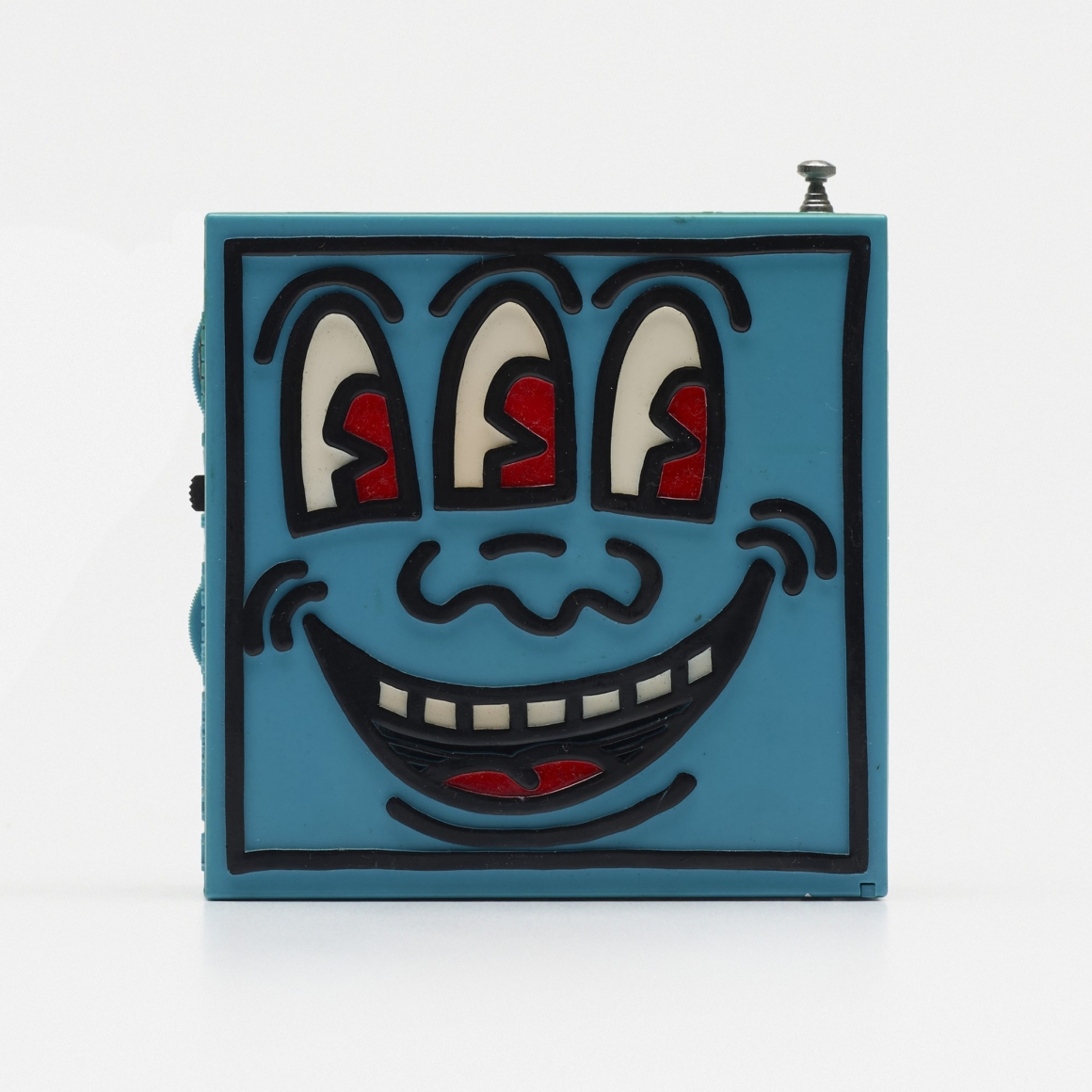
Keith Haring
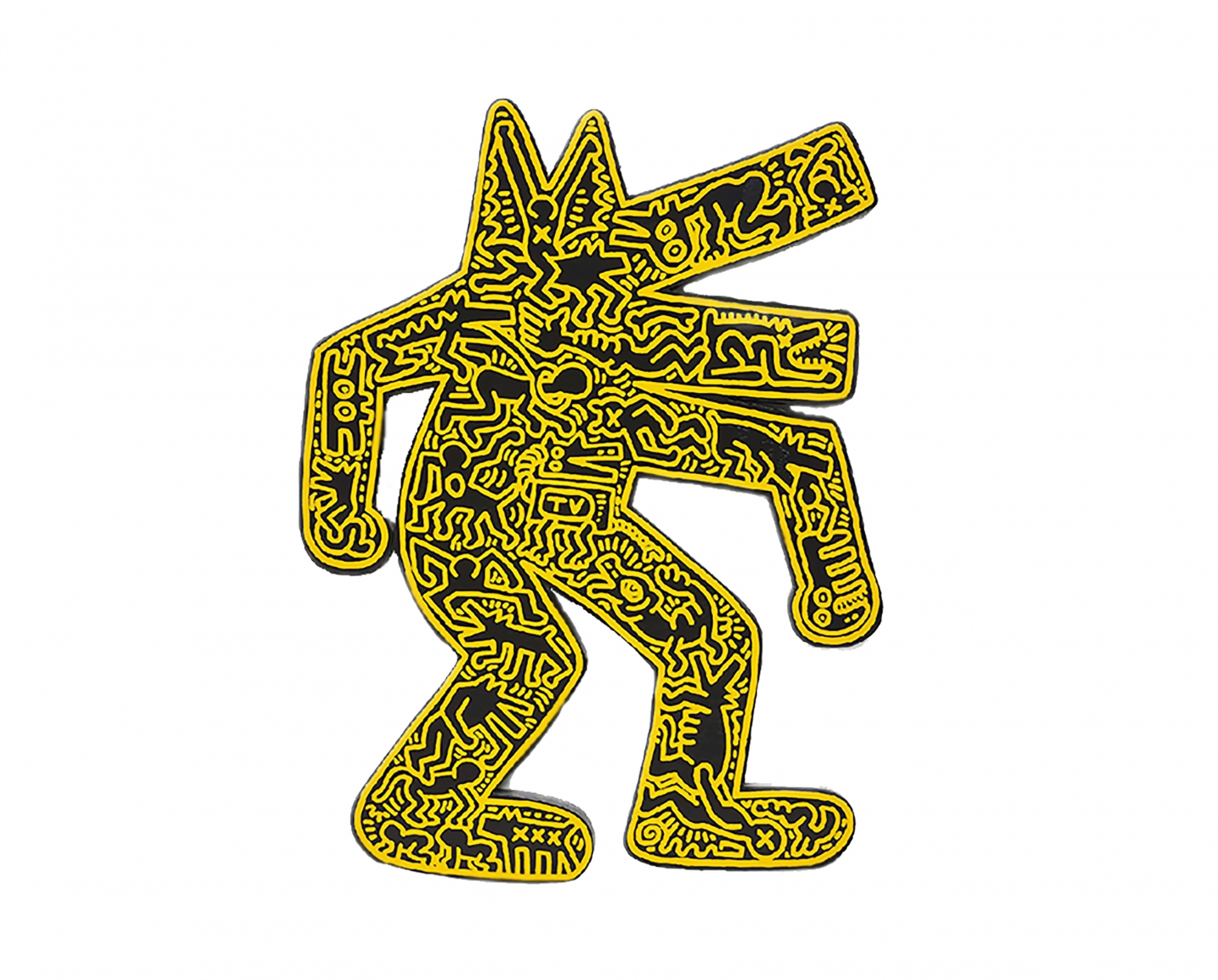
Molded Plastic
Molded manufacturer’s mark to side ‘K. Haring 85’, 4 ¼ x 4 x 1 ½ in / 11 x 10 x 4 cm
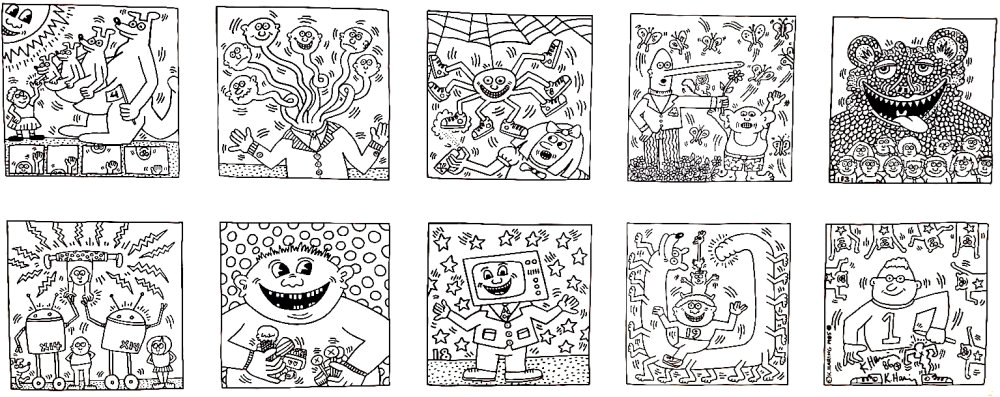
Keith Haring
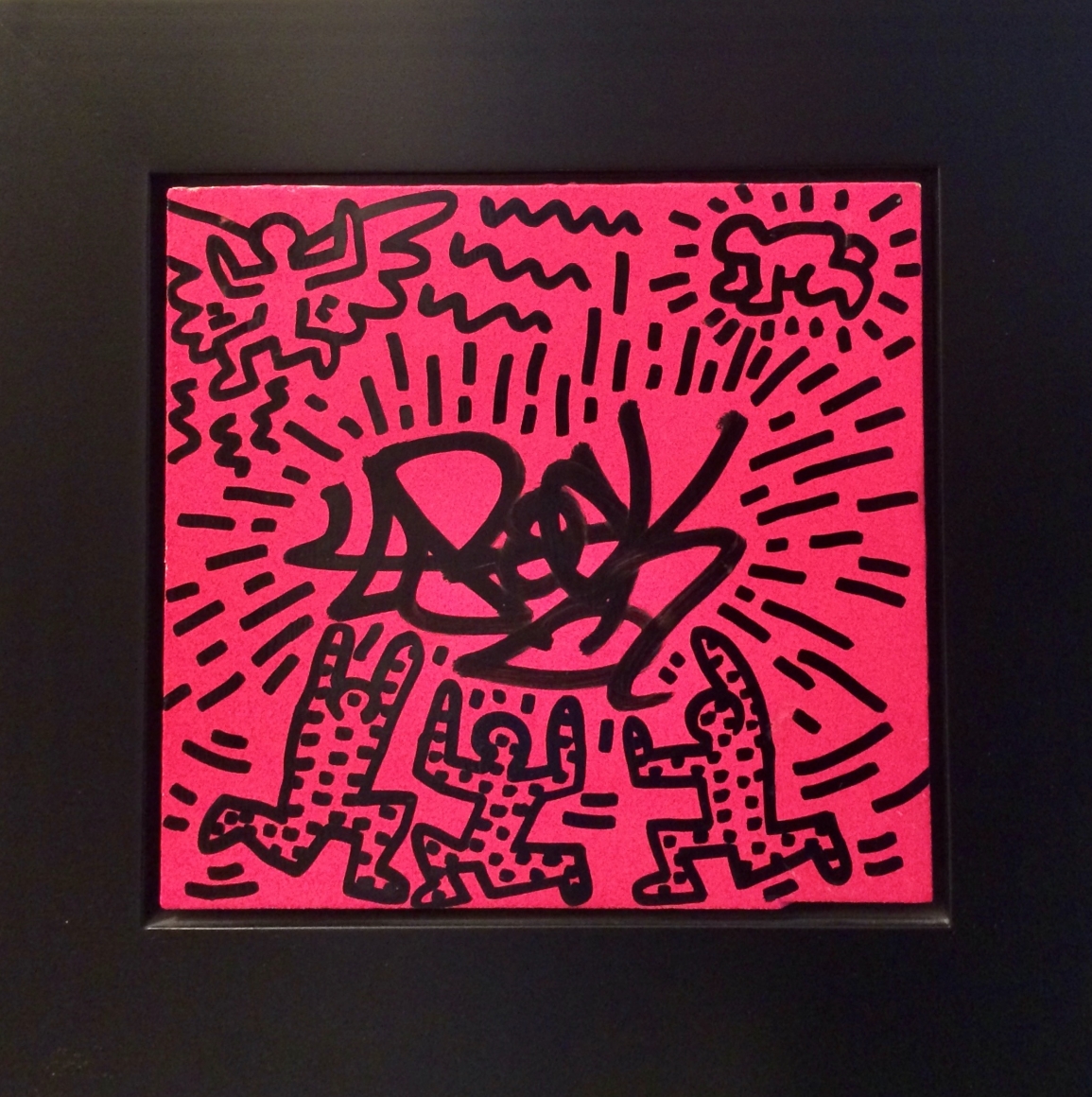
Haring Coloring Book with Original Illustration
Haring Coloring Book with Original, in (30 x 30 cm)
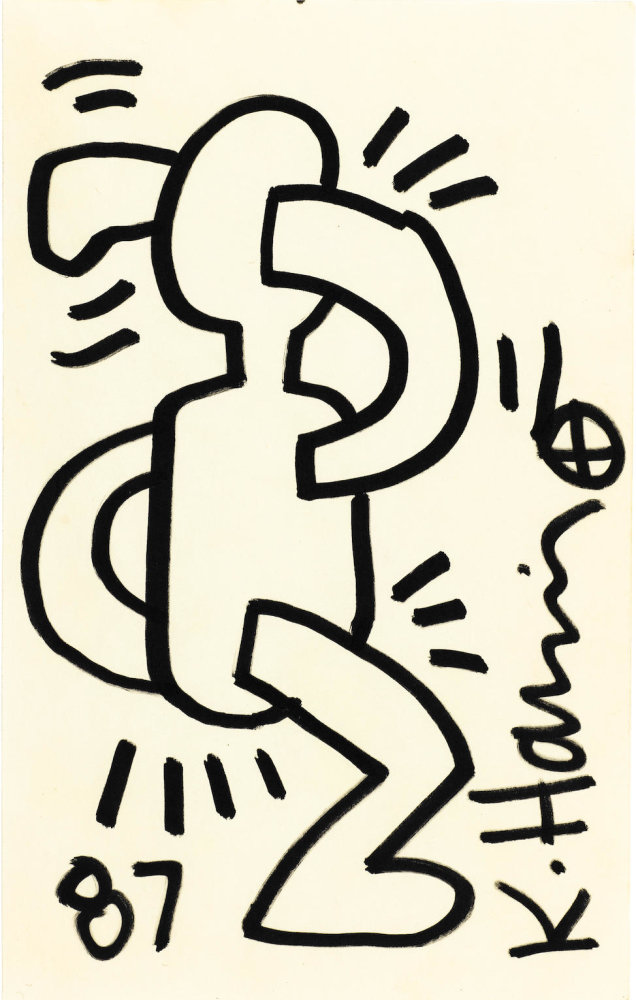
Keith Haring
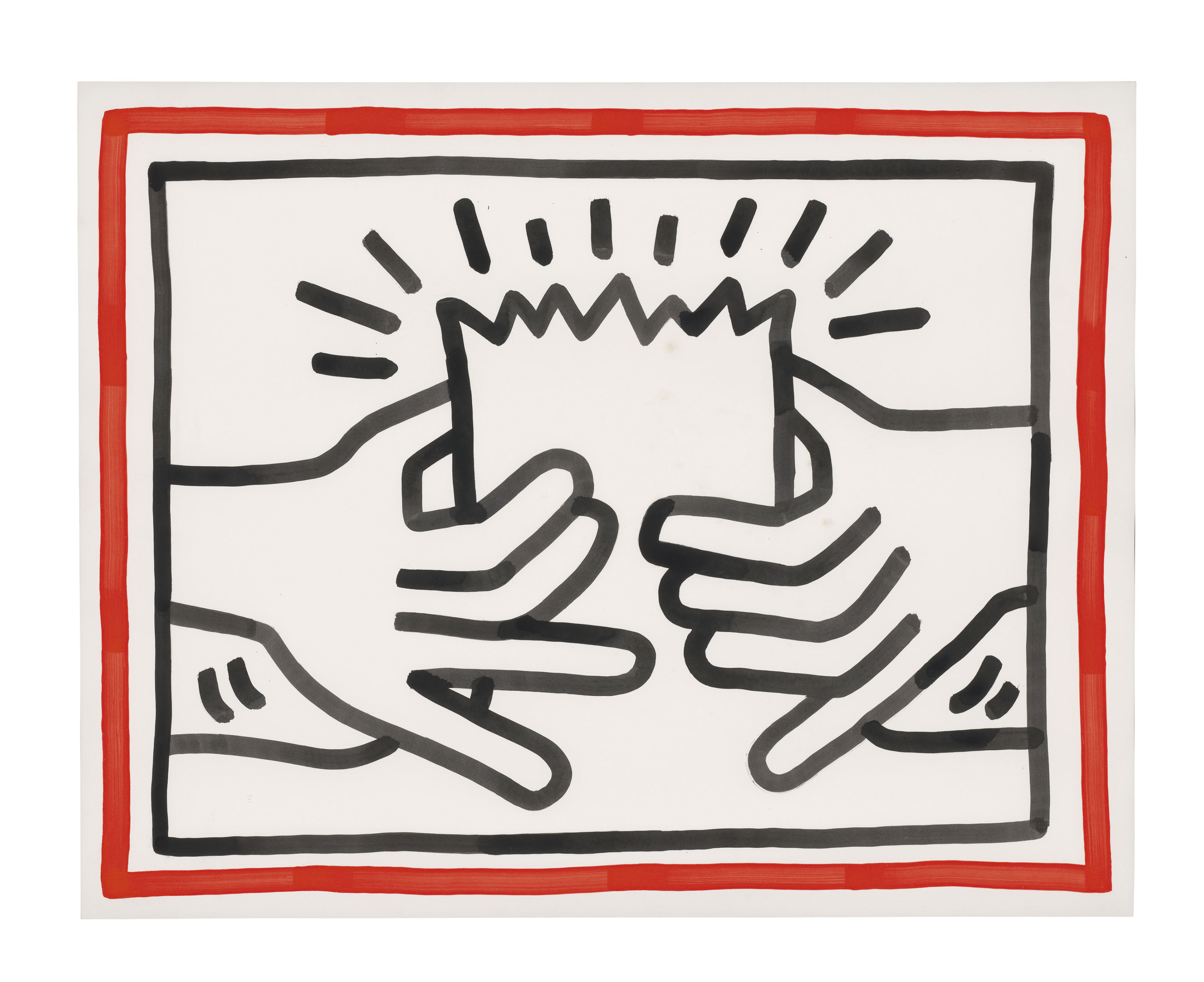
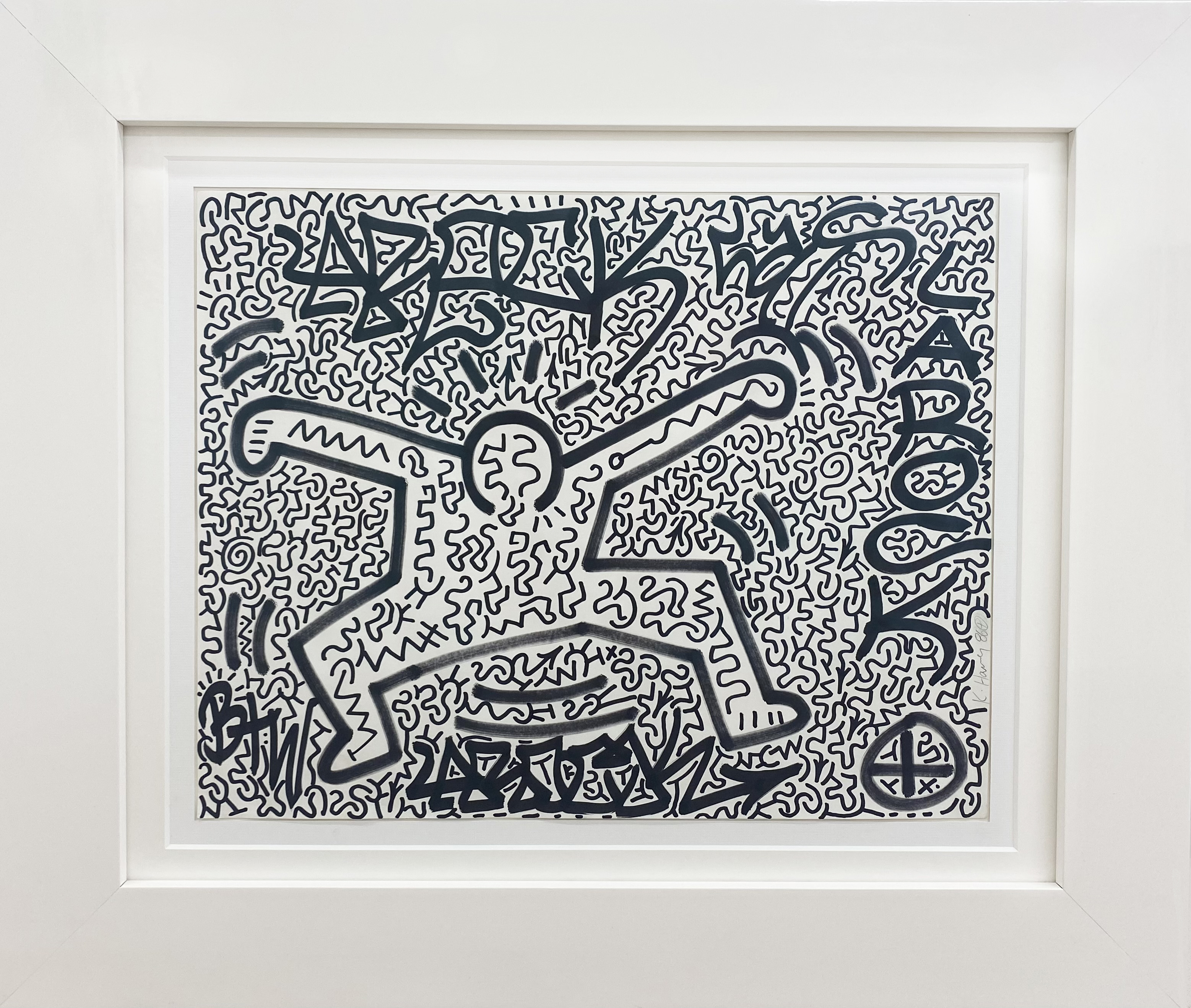
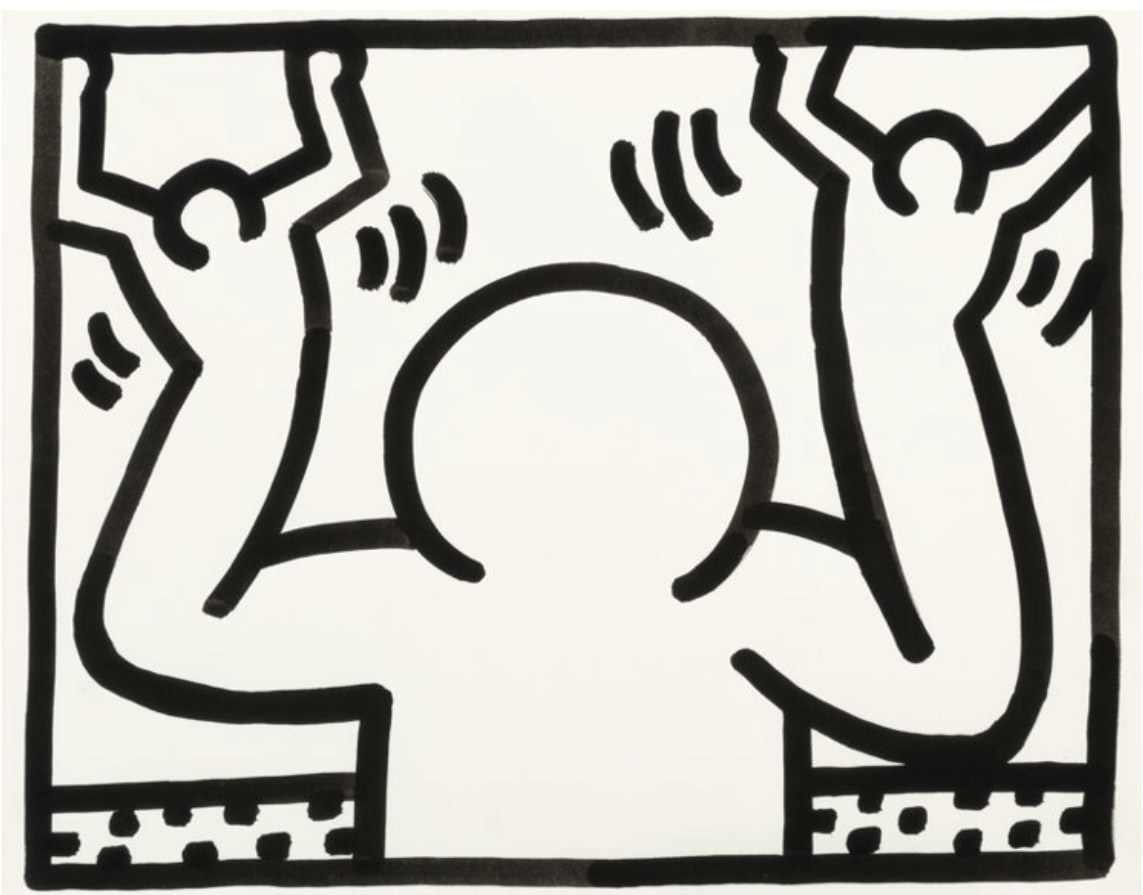
Keith Haring and LA II Untitled (Jumping Man with Rocks)
Sumi Ink on Paper, 19 x 24 in
Keith Haring
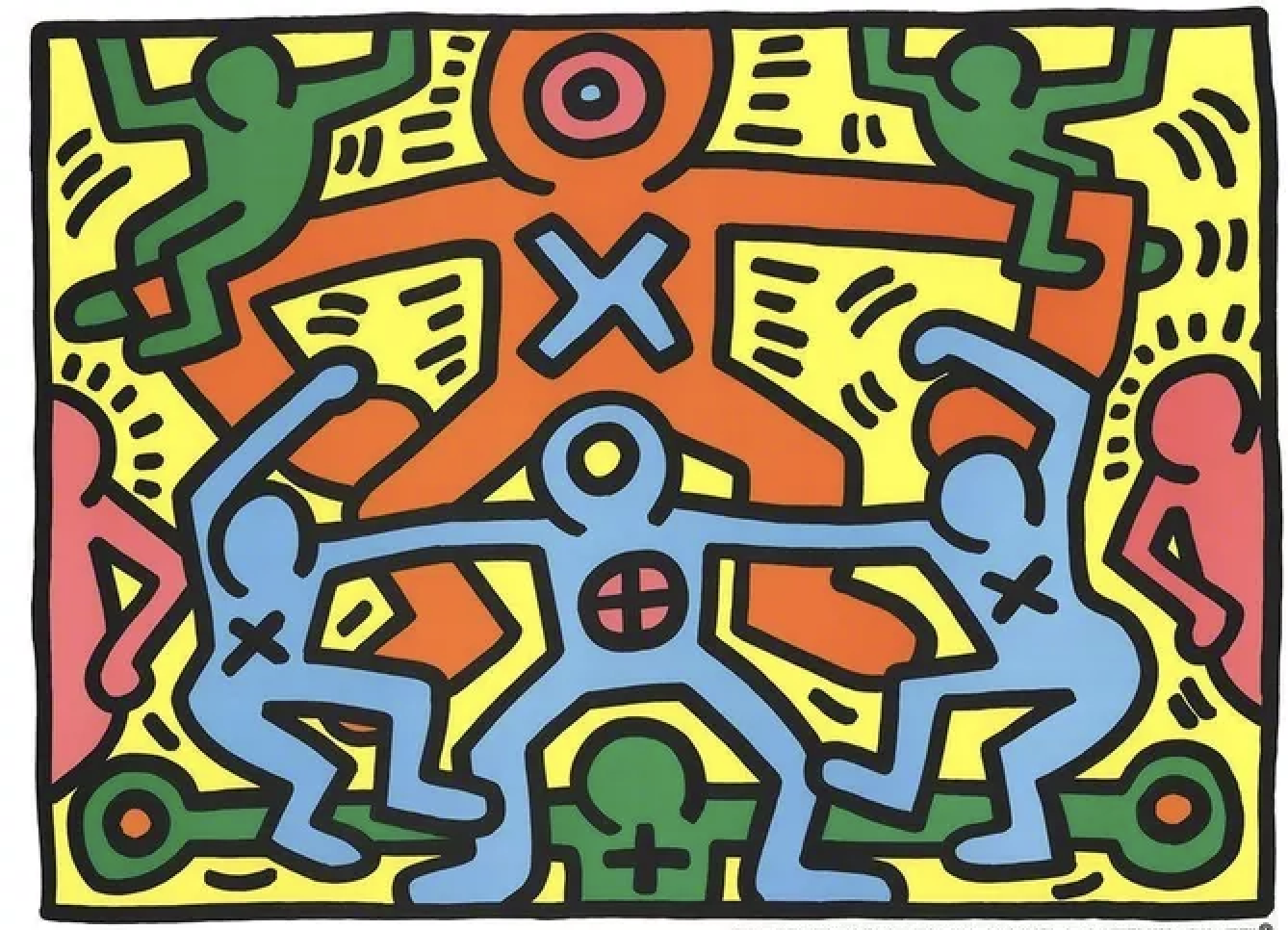
Serigraphie en couleurs signé
Screenprint in colors on Lenox Museum Board, 27.5 x 31.5 in
Keith Haring
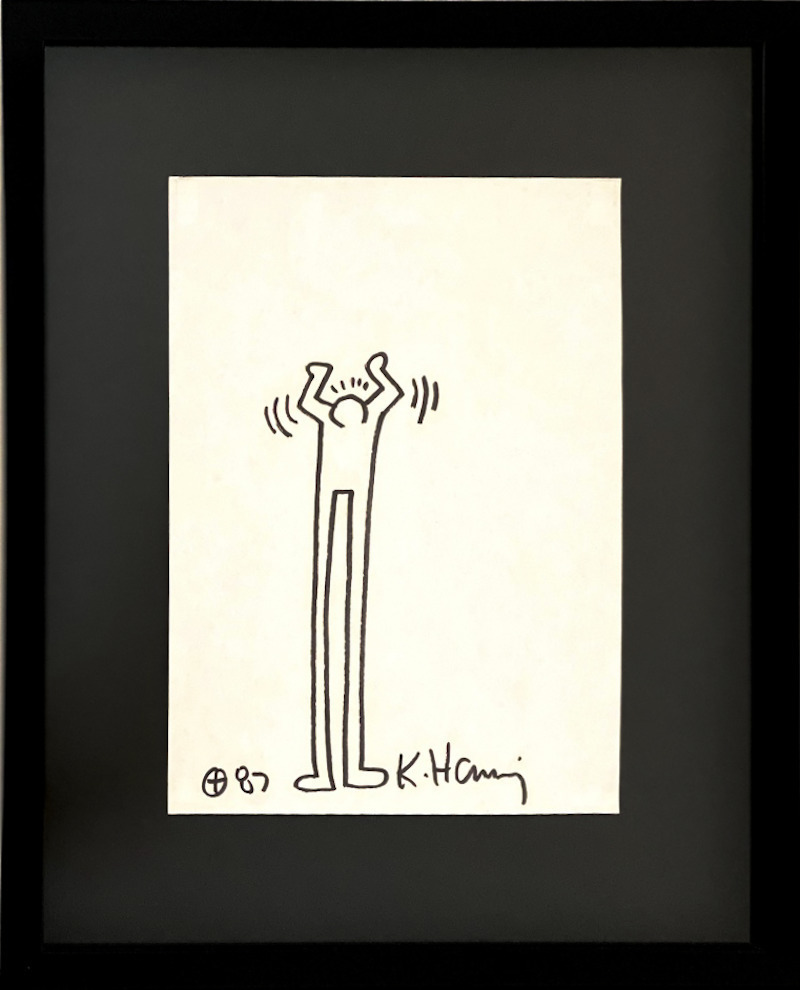
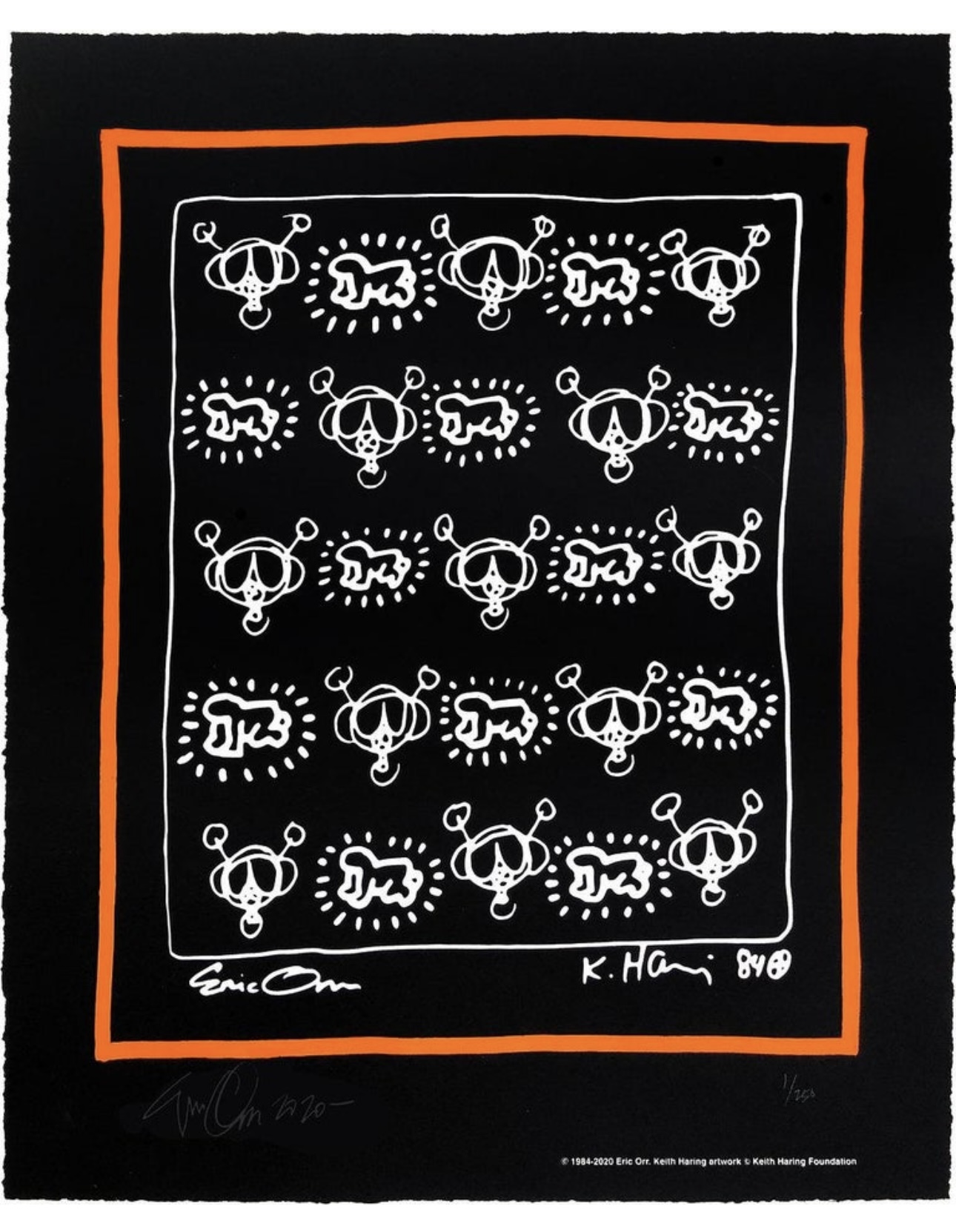
Repeat
Silkscreen on 320 gram Coventry Rag paper with hand-deckled edges, 28 x 20 inches
Keith Haring
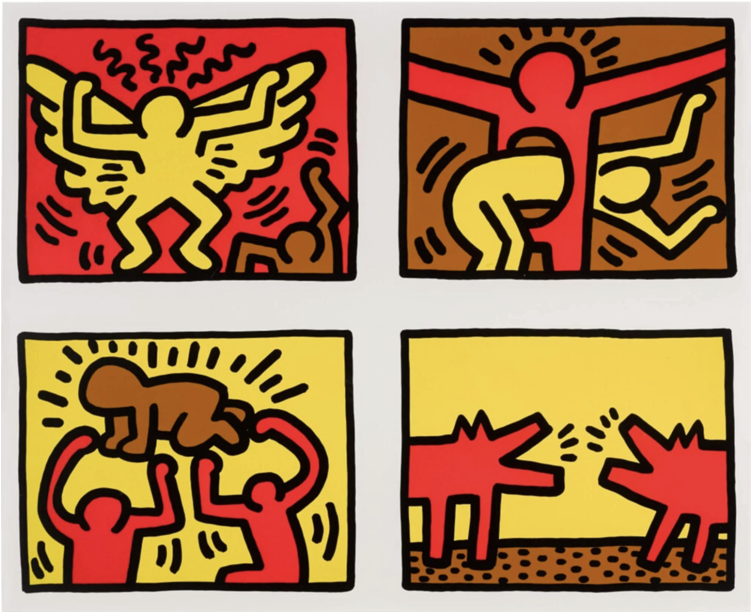
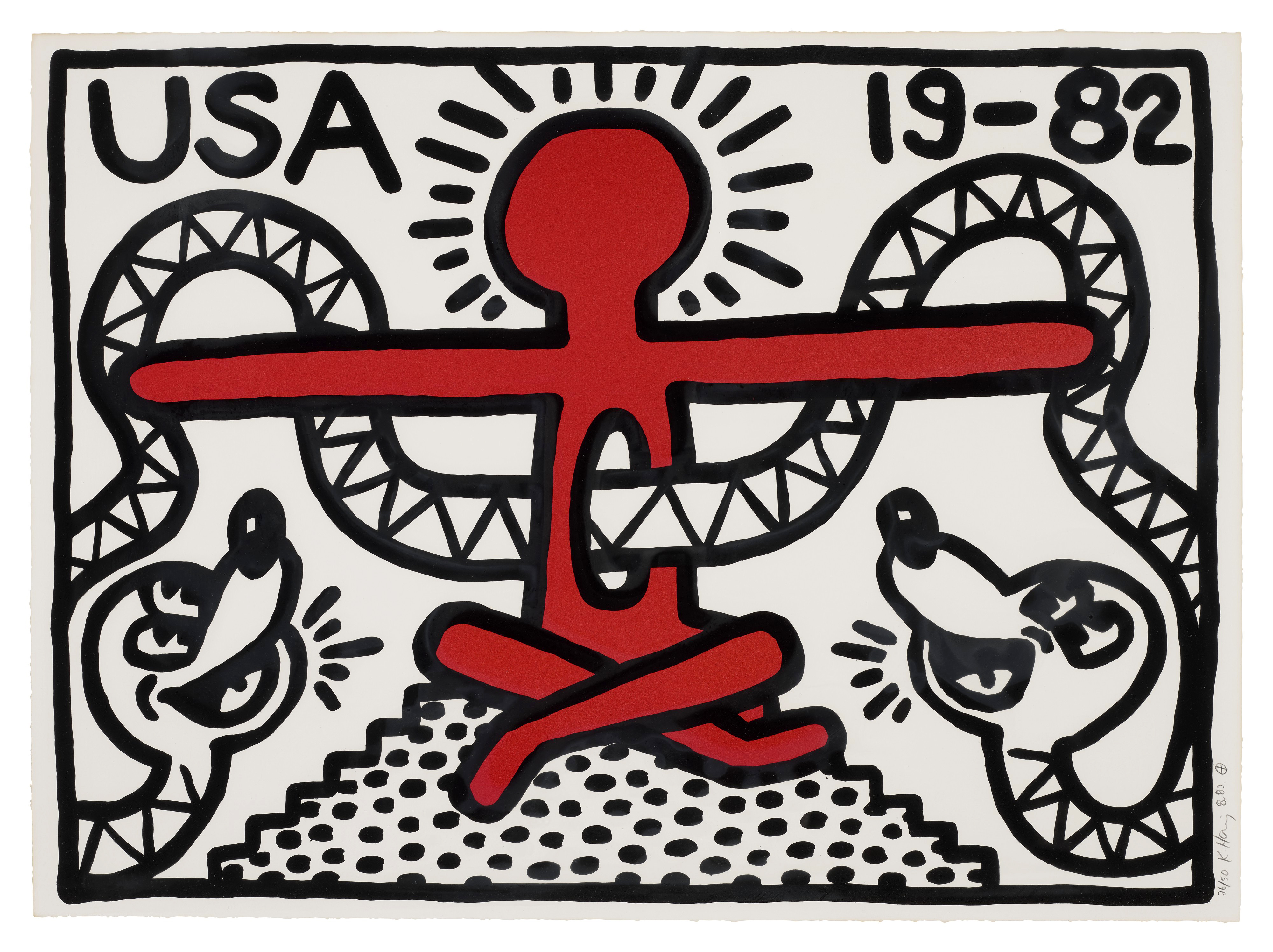
Untitled 19-82
Lithograph in black and red, on copperplate deluxe paper., 21 1/4 x 29 in.
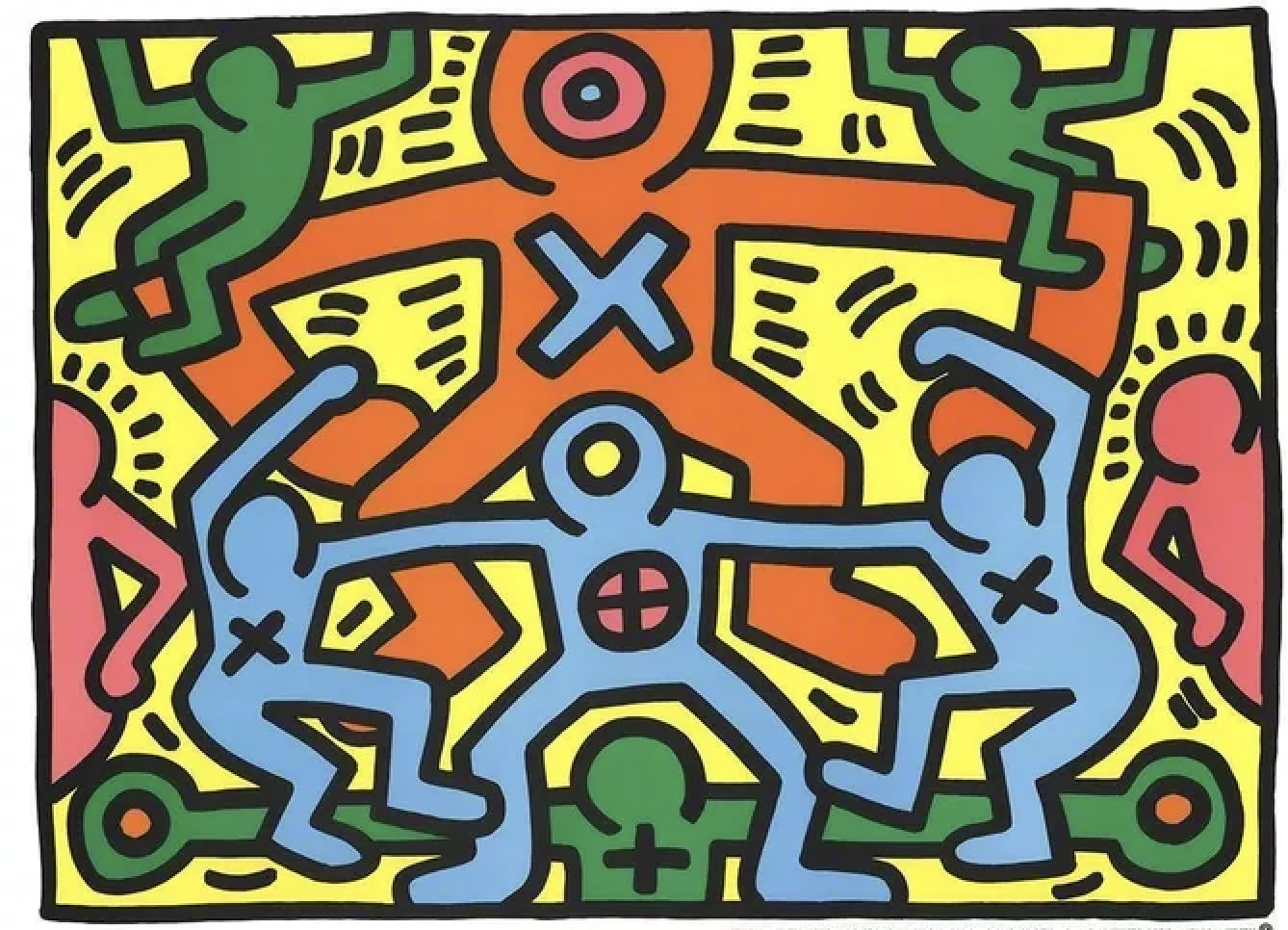
Keith Haring
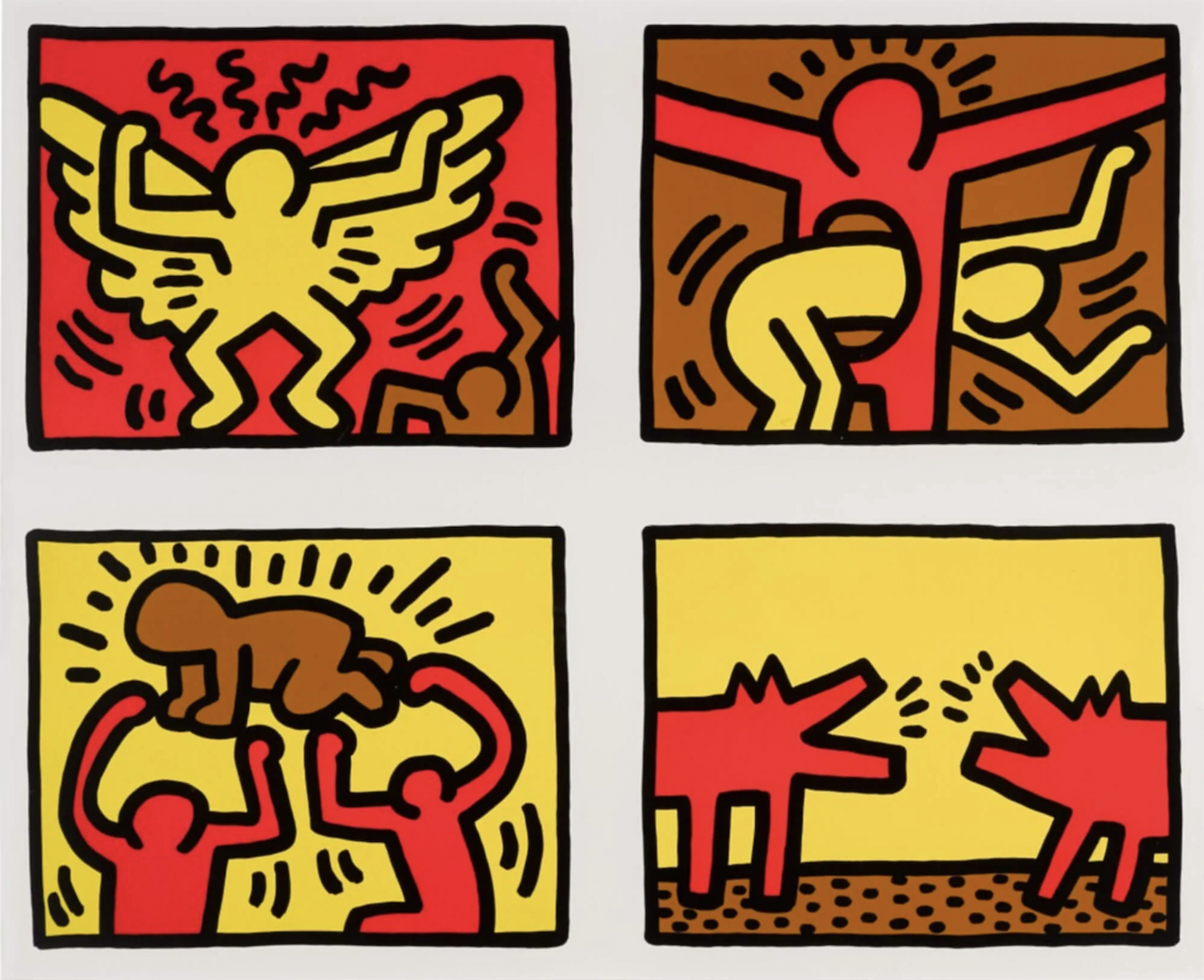
Serigraphie en couleurs signe
Screenprint in colors on Lenox Museum Board, 27.5 x 31.5 in
Market Reports
Artist watch: Keith Haring.
Haring is one of the most liquid names in the market — and one of the most misunderstood as an investment.
The misunderstanding is that a Haring is a Haring. It isn't. The market draws a sharp line between the work and the merchandise.
At the top, the early, historically core material — the 1980–1985 work, the large tarpaulins where he first built his visual language — commands real premiums and keeps setting records. A major early tarpaulin sold for seven figures at Sotheby's this past November, well over estimate. That's the market paying for scarcity and art-historical weight, not for the image. In that vein the true typical graffiti works from the street with no nudity or drug references will be sure to be far more coveted as time moves on.
Below that, the prints and editions are genuinely liquid. They trade constantly, with strong sell-through, which makes them a real entry point. But liquidity is not the same as appreciation. Many editions move sideways for years; a smaller set — the right series, in the right impression — do the actual work.
The discipline is the same as anywhere: buy the best example at your level, and know whether you're buying something that has a chance to appreciates or something that merely sells. With a name this popular, telling those two apart is most of the job.
— Jason Rosenfeld, @Rosenfeld Gallery
Jason Rosenfeld Rosenfeld Gallery, LLC C: (917) 345-8134